




One of the most overlooked aspects of growth and spiritual formation is learning to tell the truth about what is working against us.
Most of us genuinely want to change. We want to experience the fullness of life Jesus promises. We want to grow in love, joy, peace, patience—the kind of life that actually looks like Christ.
But wanting change and experiencing transformation are not the same thing.
Formation requires more than desire. It requires discernment—the slow, honest work of identifying the enemies of our soul. The patterns, postures, and practices that consistently keep us from living awake to God’s presence and power.
It’s one thing to ask, “Who am I becoming?” It’s another to ask, “What is quietly leading me away from Christ?”
As I entered this new year and began reflecting on areas of growth and formation, I noticed something familiar. The places where I tend to lose the life of Christ in me aren’t dramatic or scandalous. They’re subtle. Ordinary. Socially acceptable.
And yet, they are incredibly effective at robbing me of joy, peace, and attentiveness to God.
Here are three enemies I’ve been naming again—and praying against—with intention.
1. A Hurried Soul
Busyness almost always operates in direct opposition to the fruit of the Spirit.
Love is patient. Hurry is not. Peace is settled. Hurry is anxious. Joy is present. Hurry is always somewhere else.
When my soul is hurried, prayer becomes shallow, listening becomes difficult, and relationships become transactional. I may still be productive—but I am rarely present.
Hurry convinces me that faithfulness is measured by output rather than availability.
Prayer: Help me rest in you. Calm my tense and hurried soul so that I am fully content here and now, in this moment.
2. A Distracted Mind
Distraction is not morally neutral. It slowly trains the mind to live everywhere except where God is.
If the Enemy can keep me distracted, or if I fail to cultivate the self-control needed for attentiveness, my mind will continually drift toward noise, novelty, and numbing. Distraction keeps me from the slow, sacred work of renewing my mind.
When I’m distracted, I don’t stop believing in God—I just stop noticing Him.
And over time, a distracted mind becomes a mind that does not think like Christ.
Prayer: Help me overcome the temptation to numb or distract myself from you. Remind me that nothing in this world will satisfy apart from you.
3. Lack of Vision and Intention
Formation does not happen accidentally. Without a vision for where I’m going, I will always drift back to what’s familiar. Comfort replaces calling. Survival replaces transformation. I settle for managing my faith instead of being remade by it.
Without intention, I confuse past experiences with present formation. I begin living off what God once did rather than opening myself to what He desires to do now.
Vision doesn’t create pressure—it creates hope. It names the possibility of a life fully alive in Christ.
Prayer: Help me not settle for where I am or what I’ve experienced. Give me eyes to see the fullness of what you have for me.
At the beginning of the year, as most people are busy with resolutions and desires for the new year, maybe wisdom is teaching us to stop and identify what is robbing us of a life fully devoted to Christ.

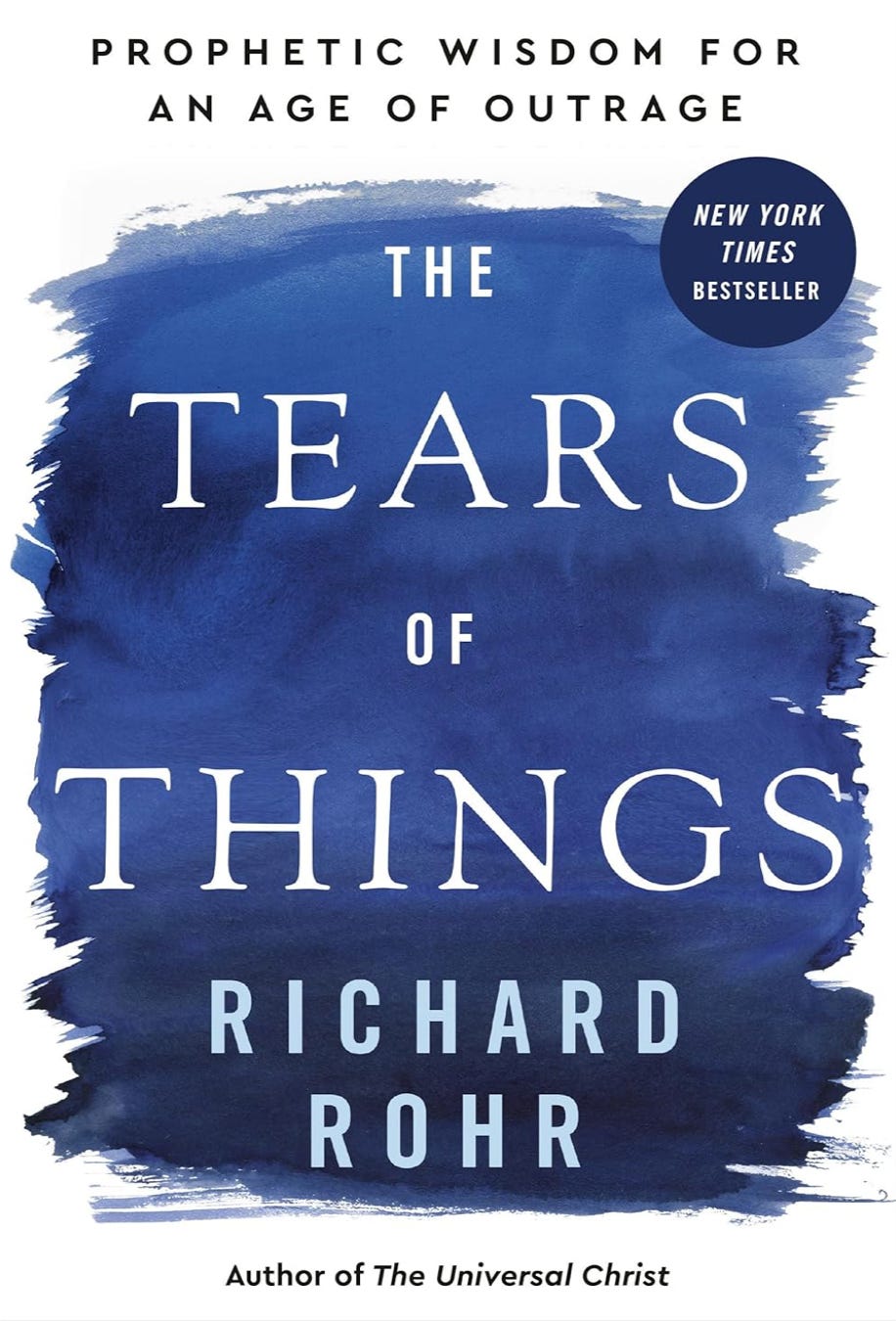
In The Tears of Things, Richard Rohr leads us forward by first leading us back—back to the Old Testament prophets who spoke truth in times of moral confusion and spiritual pretense. For those who feel anger, grief, or disillusionment with the current state of the church and our country, Rohr helps reframe what it means to be truly prophetic. Rather than fueling outrage, he calls us, and the church, back to the self-giving way of Jesus, reminding us that compassion, not contempt, is the faithful response to a broken world.
I do not do new years resolutions but I do life changes. I had no idea what the Holy Spirit was trying to show me until I read this and realized that my world at work and hone is so busy and I realized that what I thought was focused was my brain soaking in everything and pushing the one whom I love out. I dont know how to fix it but at least I know what more Im asking.
Loved this, “When I’m distracted, I don’t stop believing in God—I just stop noticing Him.”